There is a skill that every truly powerful person has developed — every masterful negotiator, every leader who commands genuine respect, every person who enters a room and changes its atmosphere without saying a word. It is not charisma. It is not confidence. It is not intelligence. It is the deliberate, strategic, psychologically precise use of silence — and it is the rarest and most powerful communication tool available to any human being.
Most people treat silence as a void to be filled — an awkward gap that signals discomfort, uncertainty, or weakness. The people who understand power treat it as a tool. They place it deliberately. They hold it without anxiety. And in doing so, they communicate something that no amount of words can — that they are completely at ease with uncertainty, completely in control of their own internal state, and completely unaffected by the social pressure to fill the air. This is perceived, almost universally, as power. And it is.
The Science
Why Silence Creates More Power Than Speaking
The Stillest Person In The Room · Always Has The Most Power · Everyone Else Is Performing · This Person Simply Is
🧠
Neuroscience
Silence Creates Cognitive Dissonance — And Discomfort Is Power
When a person goes silent in a social situation, other people's brains interpret the absence of expected input as a threat signal. This triggers a mild stress response — an urge to resolve the uncertainty by speaking. The silent person has done nothing except decline to participate in a social script — and in doing so, has transferred all the social anxiety to the other party. The other person fills the silence. Usually with something they did not intend to say.
⚖️
Negotiation
The First Person to Speak After an Offer Loses
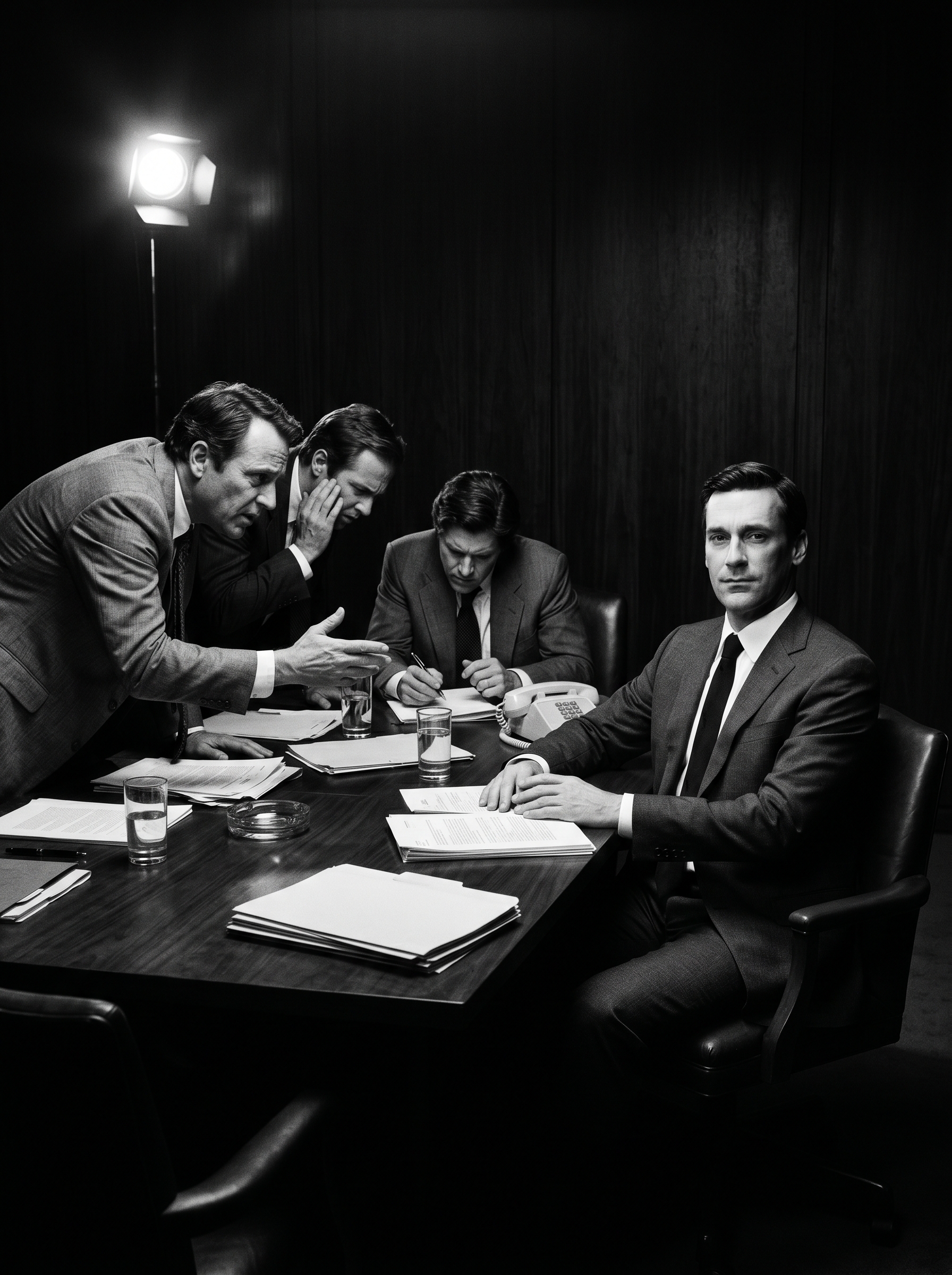
In negotiation research, there is a documented phenomenon: after a price or proposal is stated, the party that speaks first — whether the one who made the offer or the one who received it — almost always concedes ground. The silence that follows an offer is psychologically uncomfortable for both parties. The one who tolerates that discomfort longer wins. Every professional negotiator knows this. Almost nobody outside negotiation training does.
👁️
Perception
People Who Speak Less Are Perceived as More Intelligent
Research consistently shows that in group settings, people who speak selectively — only when they have something specific to contribute — are rated as more intelligent, more competent, and more authoritative than people who speak frequently. This is not because silence is intelligent. It is because every word spoken is an opportunity to reveal a weakness, a gap, or an uncertainty. The person who speaks less gives others fewer data points to assess negatively.
🎯
Presence
Silence Signals That You Do Not Need Validation
The deepest reason silence communicates power is psychological: the person comfortable with silence is implicitly communicating that they do not need the other party's approval, agreement, or response to feel secure. Most human communication is driven by the need for validation — the need to be heard, understood, agreed with. The person who does not need this is perceived as operating from a fundamentally different position. That position reads as strength. Because it is.
The History
Who Has Always Known This — And Used It
Ancient Stone · Ancient Wisdom · The Space Where Something Powerful Should Stand · The Most Important Thing · Is The Absence
Every major philosophical and spiritual tradition across human history has understood the power of deliberate silence. The Stoics called it hēsychia — the stillness from which all clear thinking emerges. Zen Buddhism built an entire practice around mu — the pregnant silence that contains more meaning than words can carry. The Quaker tradition holds silence as the primary medium for truth. These traditions did not arrive at the same insight accidentally. They arrived at it because it is empirically true: the person who masters silence masters their own internal state — and the person who masters their internal state is unaffected by external pressure. This is the foundation of all genuine power.
73%
Of People Fill Silence Within 4 Seconds — Even When It Costs Them
Research in communication psychology shows that 73% of people in professional settings will fill a silence within 4 seconds — even in situations where waiting would benefit them. In negotiation simulations, participants who were instructed to remain silent for 10 seconds after receiving an offer consistently received better outcomes than those who responded immediately. The discomfort of silence costs most people real value — in negotiations, in interviews, in conversations — every single day.
"Wise men speak because they have something to say. Fools speak because they have to say something."
— Attributed to Plato · Philosopher · Athens · Approximately 400 BC · Still Entirely True
The Practice
The 7 Specific Ways to Use Silence as Power
One Speaking · One Listening · The Listener Has All The Power · Both People Know It · Neither Is Saying So
01
The Negotiation Pause — After Every Offer, Wait
When someone makes you an offer — in salary negotiation, in a sale, in any situation where a number has been named — do not respond immediately. Take a breath. Look thoughtful. Wait 7-10 seconds. In that silence, the other party will almost always begin to fill it — often by improving their own offer, explaining why it is fair (which reveals their reasoning), or becoming visibly uncomfortable in a way that tells you exactly how much flexibility they have. The pause costs you nothing. It earns you information and often a better outcome.
02
The Listening Silence — Ask a Question, Then Actually Wait
Most people ask a question and begin formulating their response while the other person is still answering. True listening requires silence not just of the mouth but of the planning mind. When you ask something and then genuinely go quiet — putting down your internal monologue and simply receiving what the other person says — they feel heard in a way that is extraordinarily rare. People who feel genuinely heard almost always like and trust the person who listened. This is the foundation of every powerful relationship.
03
The Pressure Response — When Attacked, Do Not Defend
When someone criticises you, attacks your position, or attempts to destabilise you in a meeting or conversation, the instinctive response is to defend immediately. Every experienced negotiator, litigator, and leader knows that the more powerful response is silence — a brief pause, a calm look, and then a measured reply only when you have chosen to give one. Immediate defence signals that the attack landed. Silence signals that it did not reach you. This is not coldness. It is composure. Composure is power.
04
The Entrance Silence — Do Not Speak First
When you enter a room — a meeting, an interview, a social situation — resist the impulse to immediately fill the social space with words. Take a moment. Look around. Settle. Let others speak first. The person who speaks first is often the person most anxious to establish themselves. The person who is comfortable arriving in silence and observing before participating signals that they do not need to be noticed — and this, paradoxically, is what makes them noticed.
05
The Uncomfortable Question — Ask It, Then Say Nothing
In situations where you need to address something difficult — a performance issue, a boundary violation, a broken agreement — state the issue clearly and then go completely silent. "That's not what we agreed." Full stop. Silence. The other party will feel compelled to respond. What they say in that moment — without you prompting them further — is usually the most honest thing they will say in the entire conversation. The silence does the work.
06
The Speaking Pause — Stop Before the Important Point
When presenting, speaking in a meeting, or making an important point, pause for two full seconds before the most important statement you are going to make. This pause serves two functions: it signals to everyone in the room that something significant is about to be said — which makes them listen more carefully — and it gives your words space to land rather than being absorbed into the flow of everything else you said. The pause before the point is as important as the point.
07
The Internal Silence — Think Before Responding to Anything
The most important silence is internal: the pause between receiving a stimulus and producing a response. Viktor Frankl called this the space between stimulus and response in which lies our freedom. The person who can hold that space — who does not react automatically but chooses their response — operates at a different level than the person who reacts. In every conversation, every message, every provocation, the pause between hearing and responding is where character is formed. Most people skip it. Every powerful person has developed it.
The Deepest Level
The Root
Why Most People Cannot Stay Silent — And What It Costs
🔬 The Psychology of Why People Fill Silence
The inability to tolerate silence is rooted in what psychologists call approval-seeking behaviour — the deep need to be positively perceived by others. Silence feels dangerous to approval-seekers because it removes the constant social feedback that tells them they are accepted. The person comfortable with silence has typically developed what psychologists call secure attachment — an internal sense of worth that does not depend on external validation. This is not arrogance. It is the opposite: the freedom from needing others' approval is what allows genuine presence, genuine listening, and genuine connection. The person who does not need to impress anyone is the most interesting person in the room.
The deepest irony of silence as a social skill is this: the people who talk least are usually listened to most. When someone speaks rarely and deliberately, their words carry weight — not because of what they say, but because of the implied discipline of everything they chose not to say. Every word they offer has survived a filter. That filter is the silence that surrounds it — and the silence is what gives the words their weight. Most people understand this intuitively when someone else does it. Almost no one applies it to themselves.