The most common answer to persistent fatigue is the most wrong one: you need more sleep. If more sleep is not working — and for most chronically tired people it is not — then sleep is not the problem. Science has identified six specific biological mechanisms that produce the tiredness that rest cannot fix. Each one is measurable. Each one has a documented cause. And each one has a specific remedy that is not "sleep more."
The tiredness that most people are experiencing in 2026 is not normal tiredness. Normal tiredness resolves with rest. What most people are experiencing is cellular energy failure, chronic low-level inflammation, nervous system dysregulation, and nutritional depletion — conditions that feel like tiredness but that sleep cannot address because they operate at a level below what sleep repairs. Understanding the difference between tiredness and these underlying conditions is the beginning of actually fixing them.
The Real Causes
6 Hidden Reasons Rest Is Not Working
8 Hours · Still Tired · Not Laziness · Not Weakness · Six Biological Reasons · Science Mapped Them All · None Of Them Is Sleep
⚡
Mitochondria · Energy
Your Cellular Power Plants Are Struggling
Mitochondria produce ATP — the energy currency every cell runs on. Under chronic stress, poor nutrition, toxin exposure, and sedentary behaviour, mitochondrial function declines. Fewer mitochondria, less efficient ATP production, more cellular fatigue — even after adequate sleep. This is called mitochondrial dysfunction and it is increasingly documented as a primary driver of chronic fatigue conditions. The body's power plants are running at reduced capacity. Sleep cannot repair them. Movement, specific nutrients, and cold exposure can.
🔥
Inflammation · Silent
Chronic Low-Level Inflammation Is Consuming Your Energy
The immune system's inflammatory response consumes enormous amounts of energy. Acute inflammation — healing a wound — resolves quickly. Chronic low-level inflammation — produced by poor diet, gut dysbiosis, chronic stress, insufficient sleep, and environmental toxins — runs continuously and consumes cellular energy continuously. The person with elevated inflammatory markers (CRP, IL-6) feels tired because their immune system is spending energy fighting a fire that never goes out. They are not resting. They are fighting.
🧪
Cortisol · Rhythm
Your Cortisol Curve Is Broken
Healthy cortisol follows a precise daily arc: high in the morning (the awakening response that provides natural energy), declining through the day, lowest at night. In chronically stressed people, this curve flattens — morning cortisol is insufficient to provide natural energy, evening cortisol fails to drop enough to allow deep sleep, and the body runs in a permanently grey zone of neither energised nor rested. This is HPA axis dysregulation — the body's stress system running without appropriate rhythm.
🧬
Nutrients · Deficiency
Your Body Is Missing the Raw Materials for Energy
Energy production requires specific micronutrients as cofactors. Iron deficiency (the most common nutritional deficiency globally) directly impairs oxygen transport and energy production. Magnesium deficiency — affecting an estimated 50% of Western populations — impairs over 300 enzymatic reactions including ATP synthesis. B12 deficiency disrupts neurological function and red blood cell production. Vitamin D deficiency — affecting over 1 billion people globally — impairs mitochondrial function directly. These deficiencies produce fatigue that is biologically identical to genuine tiredness and completely unresponsive to more sleep.
🌿
Gut · Microbiome
Your Gut Is Not Absorbing What Your Body Needs
95% of serotonin is produced in the gut. The gut microbiome directly influences the production of neurotransmitters, the absorption of energy-producing nutrients, and the regulation of the inflammatory response. Dysbiosis — an imbalance of gut bacteria toward inflammatory species — impairs nutrient absorption, increases intestinal inflammation, and reduces the production of the neurotransmitters that regulate mood and energy. The person who eats well but whose gut cannot absorb adequately is functionally malnourished regardless of their diet quality.
📱
Light · Circadian
Your Circadian Clock Is Out of Sync With the Sun
The circadian rhythm governs when the body produces energy hormones and when it produces sleep hormones. Artificial light at night — particularly blue light from screens — suppresses melatonin production, delays the circadian clock, and produces a state of chronic circadian misalignment in which the body is trying to sleep at the wrong time and trying to be awake at the wrong time simultaneously. The fatigue of circadian misalignment is not treatable with more sleep. It requires realignment — morning light, evening darkness, and consistent timing.
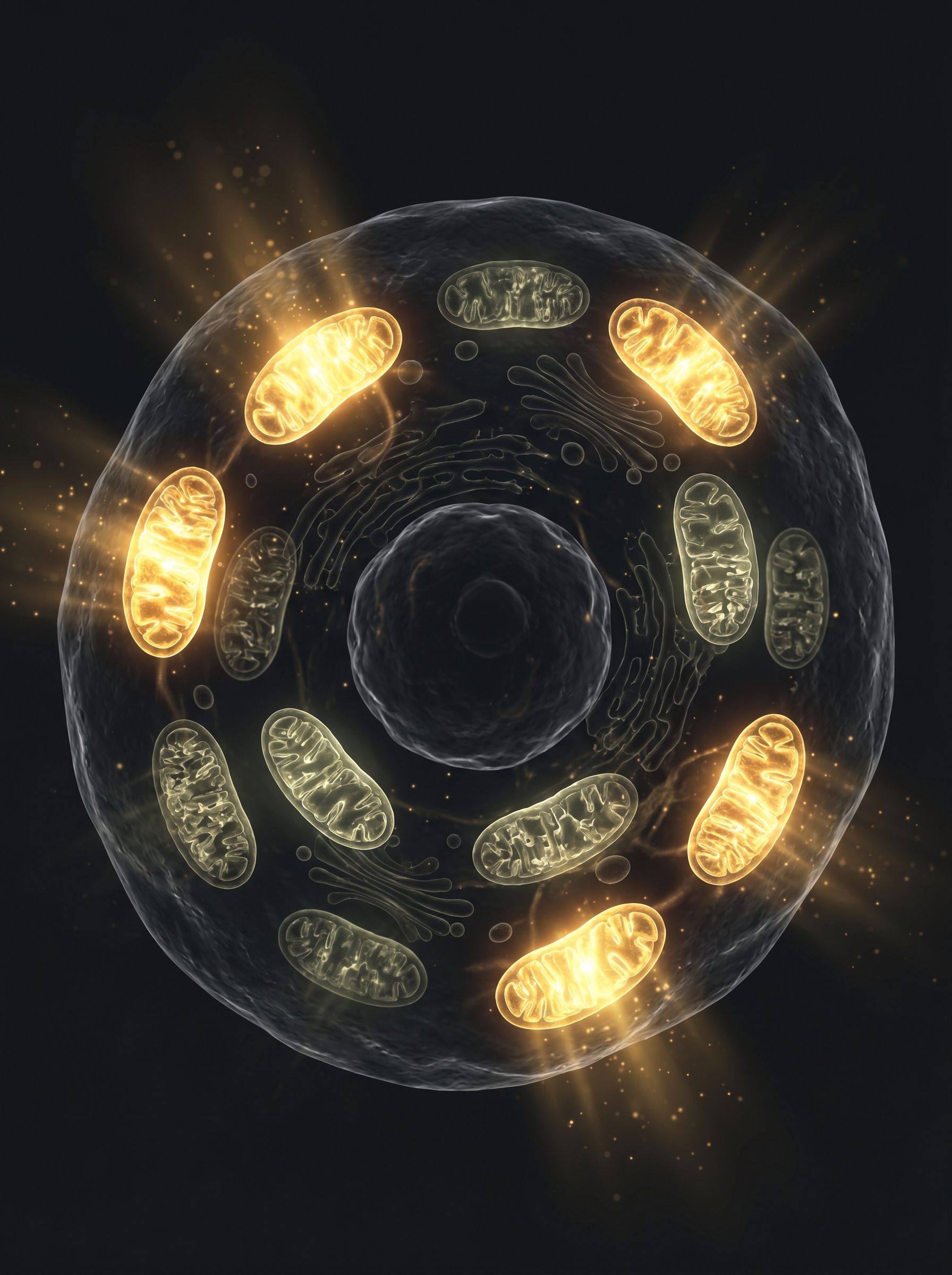
Mitochondria · The Body's Power Plants · Some Bright · Some Struggling · The Difference · Is Visible At The Cellular Level · Before You Feel It
"Fatigue is not a character flaw. It is a physiological signal. The question is never how to push through it. The question is always what it is telling you — and whether you are listening."
— hezhinx · The Science of Being Human · 2026
The Signs
Which Type of Tired Are You?
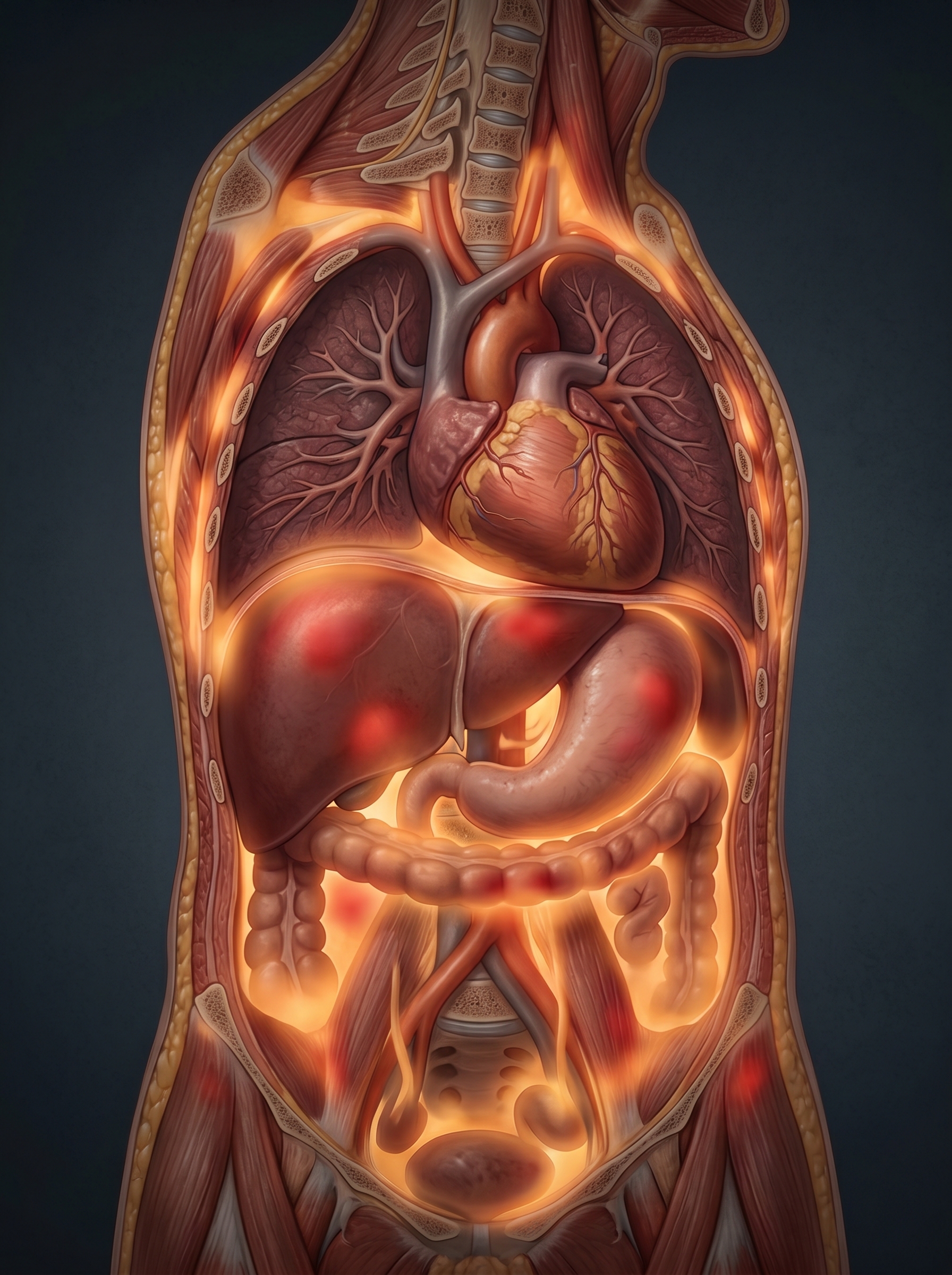
Chronic Inflammation · Amber Heat Throughout · Not Disease · Not Visible · Running Continuously · Consuming Energy · Every Hour · Every Day
🔍 Match Your Tiredness to Its Cause
Tired despite adequate sleep + brain fog + low motivation: Likely cortisol dysregulation or mitochondrial dysfunction. Tired + frequent illness + slow healing: Likely chronic inflammation or immune suppression. Tired + cold intolerance + hair loss + weight change: Possible thyroid dysfunction — see a doctor. Tired + palpitations + pale skin + breathlessness on exertion: Possible iron deficiency anaemia — blood test needed. Tired + low mood + tingling in extremities: Possible B12 or vitamin D deficiency. Tired + digestive issues + poor sleep quality: Likely gut dysbiosis and circadian disruption. Most people with chronic fatigue have multiple causes operating simultaneously — which is why single interventions rarely produce complete resolution.
The Real Fixes
What Actually Works
Six Fixes — One for Each Cause
Fix mitochondrial function — move before you eat. Fasted morning movement — 20 minutes of aerobic exercise before breakfast — triggers mitochondrial biogenesis (the creation of new mitochondria) and upregulates the genes responsible for energy production. This is the single most documented intervention for improving cellular energy capacity. It produces measurable increases in mitochondrial density within 4-6 weeks of consistent practice. The tiredness that exercise initially produces is temporary. The energy it creates is structural.
Reduce inflammation — fix the food first. The most significant dietary drivers of chronic inflammation are refined seed oils, ultra-processed foods, refined sugar, and insufficient omega-3 fatty acids. Replacing processed foods with whole foods, increasing oily fish consumption, and adding anti-inflammatory foods (turmeric, ginger, berries, leafy greens) produces measurable reductions in inflammatory markers within 4-8 weeks. This is not a diet. It is removing the fuel source from a fire that is consuming your energy.
Restore the cortisol curve — anchor your day to light. Morning sunlight within 30 minutes of waking triggers the cortisol awakening response — the body's natural energy-producing hormone peak. Evening darkness (no screens after sunset, or blue-light blocking glasses) allows melatonin to rise on schedule. These two inputs — morning light and evening darkness — are the most powerful levers for restoring circadian alignment and cortisol rhythm. The difference in energy levels within two weeks of consistent implementation is measurable and striking.
Test your nutrients — do not guess. Iron, ferritin, B12, vitamin D, magnesium, and thyroid function should be tested before supplementing — deficiency and sufficiency require different responses, and supplementing nutrients you are not deficient in produces no benefit. A basic blood panel that includes these markers takes one appointment and costs relatively little. It is the most information-dense investment available for understanding why you are tired. Treat deficiencies with medical guidance. Monitor progress. Most deficiency-driven fatigue resolves within 8-12 weeks of adequate repletion.
Rebuild the gut — start with what you remove. The fastest way to improve gut health is not adding supplements — it is removing the inputs that destroy it: antibiotics used unnecessarily, alcohol consumed regularly, ultra-processed foods eaten daily, and artificial sweeteners that alter bacterial composition. Adding fermented foods (yogurt, kefir, kimchi, sauerkraut), diverse plant fibre, and prebiotic foods (garlic, onion, leeks, asparagus) provides the substrate the microbiome needs to rebuild. Gut health improvements take 3-6 months of consistent input change to become structural.
Protect deep sleep — it is where energy is actually restored. Deep slow-wave sleep is when growth hormone is released, cellular repair occurs, and the glymphatic system clears metabolic waste from the brain. The factors most documented to suppress deep sleep are alcohol (even moderate amounts), screen light within 90 minutes of bed, inconsistent sleep timing, and a room temperature above 18°C. Addressing these specific inputs — not just "sleep more" — is what produces the deep sleep where actual restoration occurs. Most chronically tired people are getting insufficient deep sleep even when their total sleep time is adequate.