- Sitemap
- Disclaimer
- Privacy
The Machine That Eats Garbage and Produces Everything — 10 Waste Industries Worth Billions That Nobody Built Yet
Business Ideas · hezhinx · 2026 · World First
The Machine That
Eats Garbage
and Produces
Everything
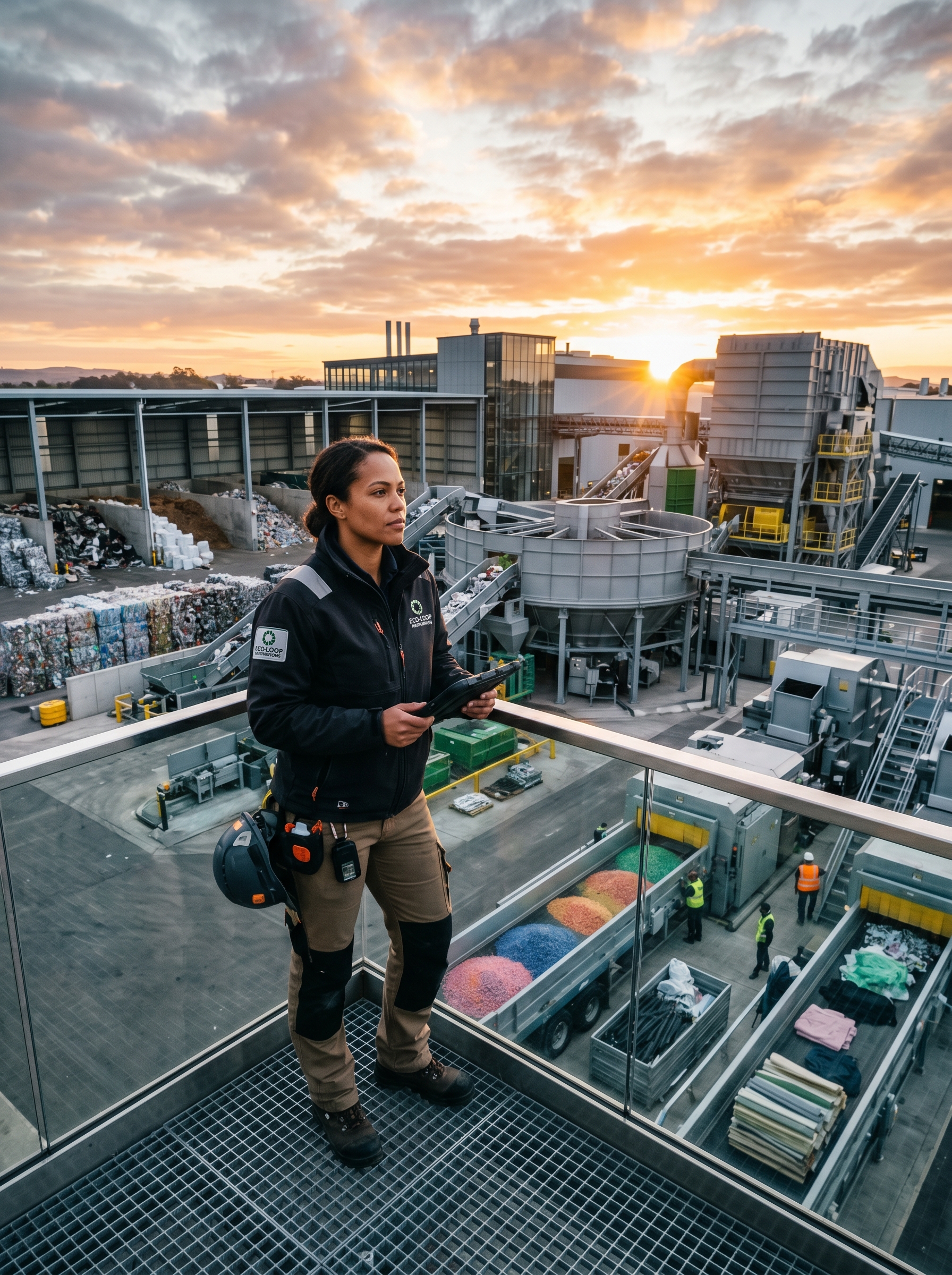
Every year humanity discards trillions of dollars of material value. Food. Clothing. Electronics. Construction. Carbon. Water. Agricultural residue. Each waste stream is an unbuilt business. Each unbuilt business is a billion-dollar opportunity sitting in a landfill waiting for someone with the clarity to see it as raw material instead of refuse.
The most consistent pattern in the history of transformative businesses is this: someone looked at what everyone else was discarding and saw what it actually was. Oil was once a nuisance that contaminated farmland. Silicon was beach sand. Aluminium was rarer than gold until the smelting process was invented. In every case, the transformation was not in the material — it was in the perception of the material. The material was always valuable. The business was built the moment someone decided to treat it that way.
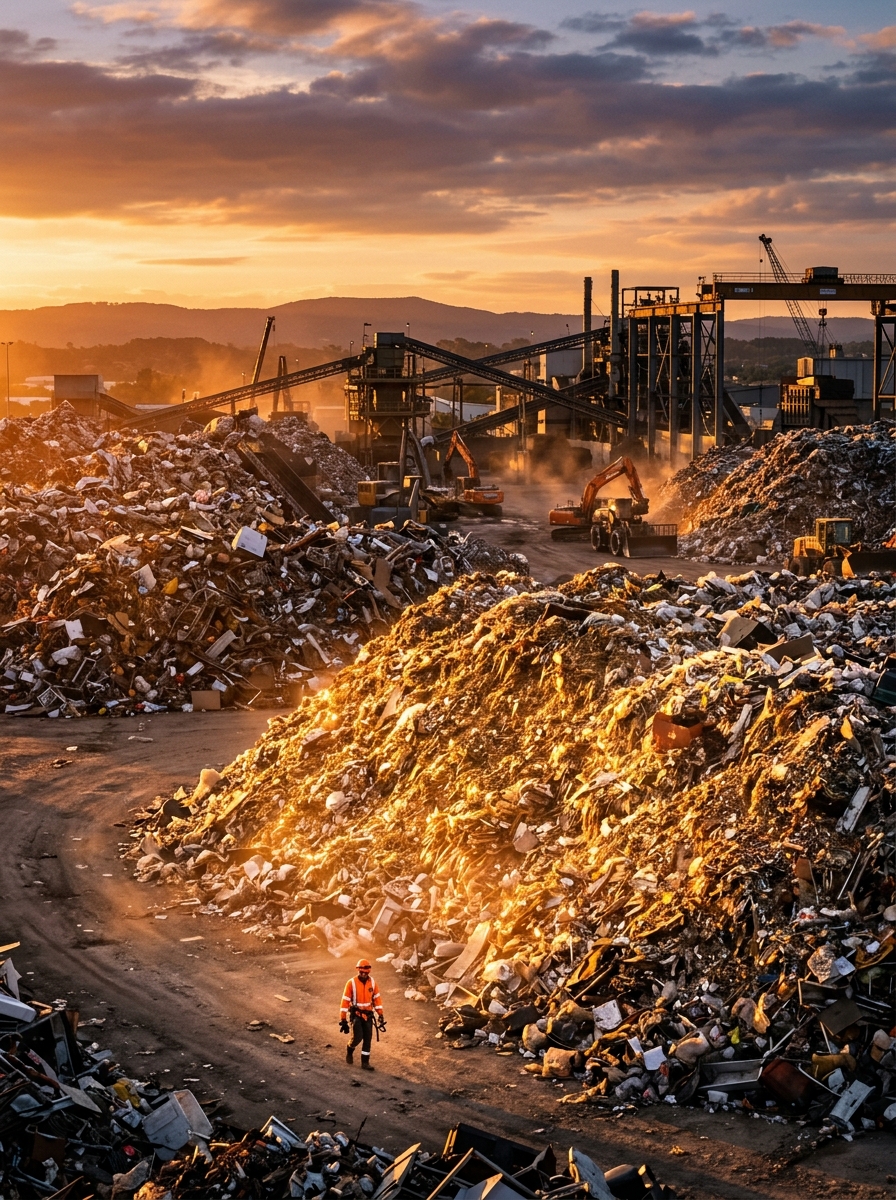
We are living through the largest waste production event in human history. Global waste generation exceeds 2.2 billion tonnes per year and is growing. The economic value embedded in that waste — recoverable with existing or near-existing technology — is estimated at $4.5 trillion annually. That is not a social problem waiting for a government solution. It is a business opportunity waiting for an entrepreneur with the perception to see raw material where everyone else sees garbage. The ten industries below are unbuilt, underbuilt, or ripe for disruption. The first mover in each will build a company worth billions.
The Food Waste Processing Industry — 1.3 Billion Tonnes Discarded Annually
Imperfect produce · surplus retail · agricultural byproduct · restaurant waste streams
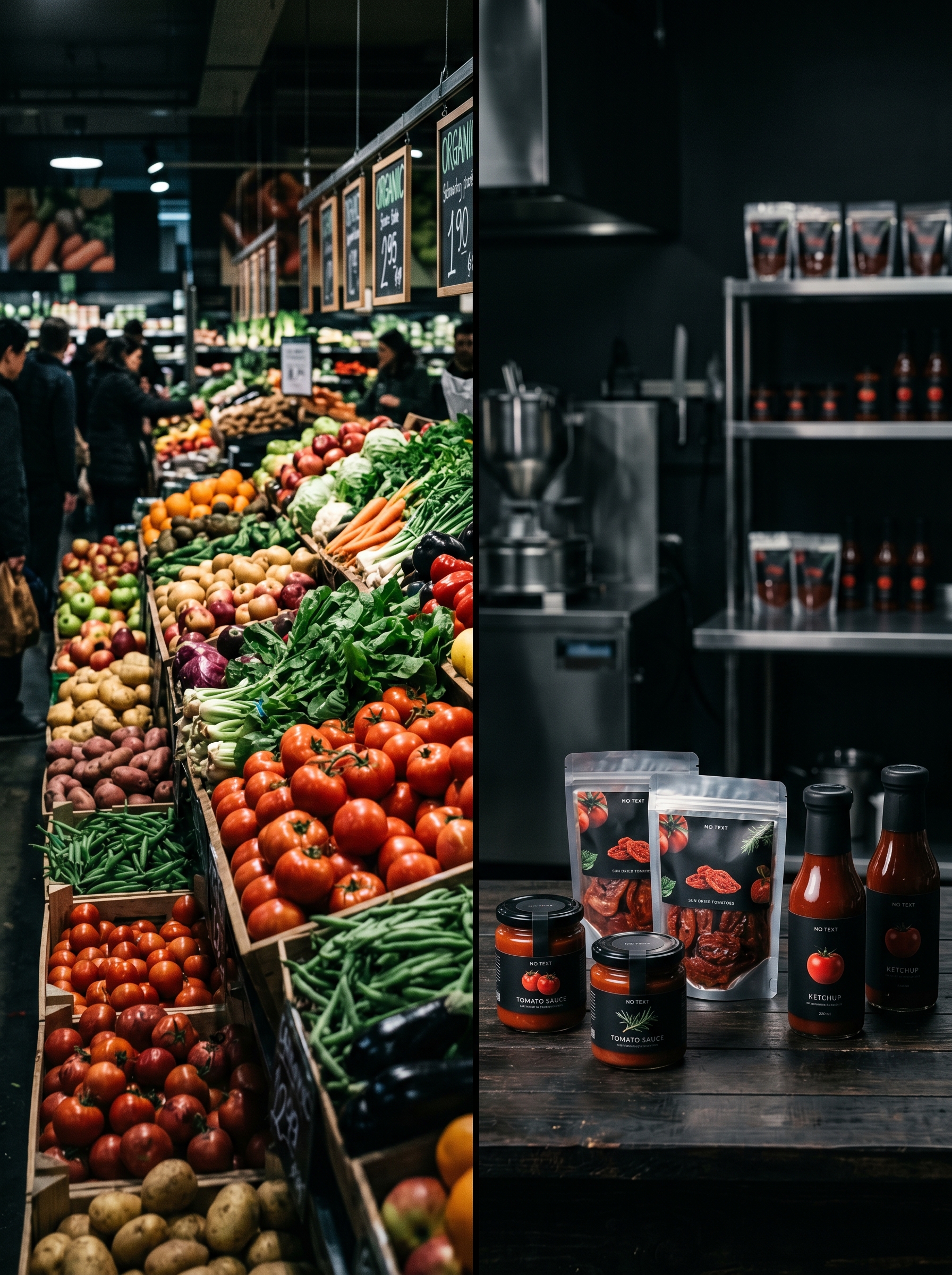
One third of all food produced globally is discarded before consumption. The majority of this waste is not unsafe, nutritionally depleted, or genuinely finished — it is aesthetically imperfect, surplus to retail demand, or produced at points in the supply chain that lack processing infrastructure. The businesses currently being built in this space — ugly produce subscription boxes (Misfits Market), food surplus redistribution platforms, waste-to-ingredients processors — are generating hundreds of millions in revenue. The infrastructure layer that converts food waste into protein powder, animal feed, compost at industrial scale, and bioactive ingredients for the pharmaceutical and cosmetics industries is decades underdeveloped relative to the scale of the raw material available. The gap between what is being wasted and what is being processed is a $1.2 trillion annual gap.
The Textile Recycling Infrastructure — 92 Million Tonnes Burned or Buried
Post-consumer clothing · industrial offcuts · blended fibre streams · fast fashion surplus
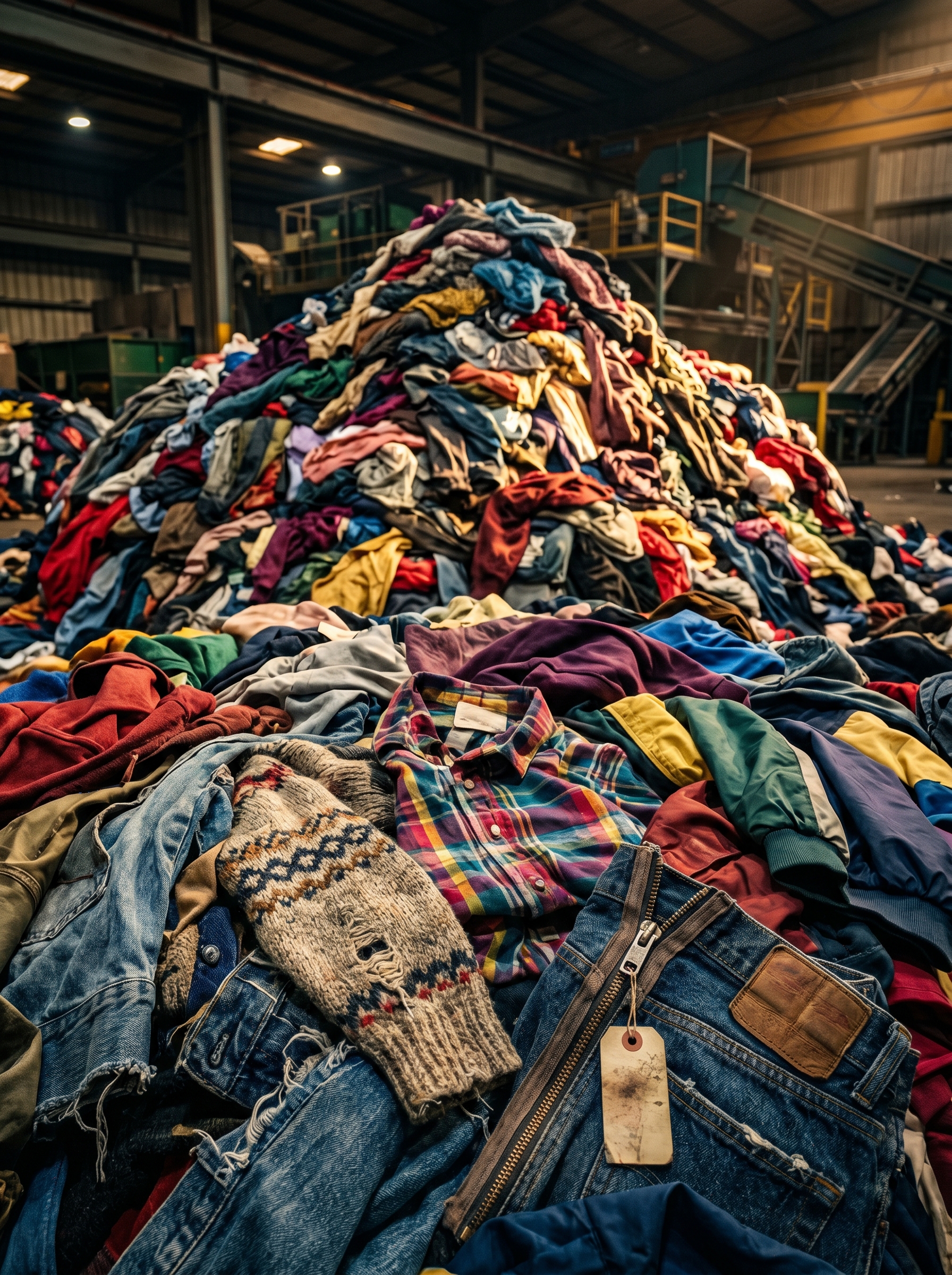
The fashion industry produces 92 million tonnes of textile waste annually. Less than 1% of this material is recycled into new textile fibre — because the fibre-to-fibre recycling technology exists but the industrial infrastructure to deploy it at scale does not. The companies that solve the blended fibre separation problem (most clothing is a mix of cotton, polyester, and elastane that current recycling cannot efficiently separate) will own a critical infrastructure layer in a $2.5 trillion industry that is under regulatory pressure globally to reduce its waste output. Extended Producer Responsibility legislation in the EU is already mandating textile take-back programmes without the infrastructure to process them. The infrastructure is the business.
The Agricultural Residue Economy — 5 Billion Tonnes Burned Every Year
Crop straw · husks · bagasse · pruning waste · seed processing residue · livestock manure
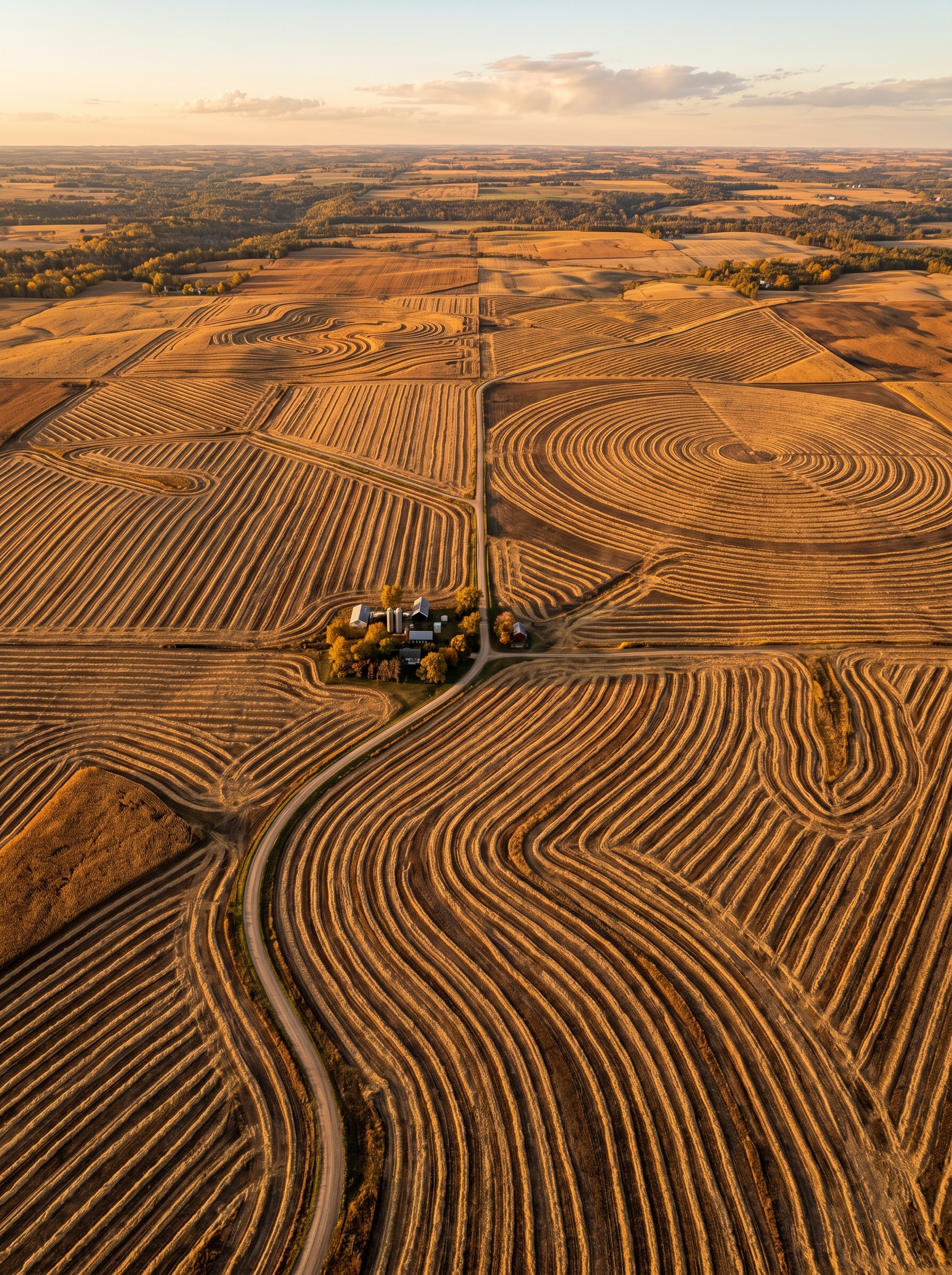
Agricultural residue — the stalks, husks, shells, and organic matter left after food crops are harvested — represents approximately 5 billion tonnes of biomass annually. The majority is currently burned in the field — creating atmospheric pollution, contributing to climate change, and destroying what is, in fact, a high-value raw material for biorefinery, construction materials, packaging, and energy production. Rice husk ash is a high-performance silica used in concrete. Sugarcane bagasse produces the same structural performance as fibreboard at a fraction of the cost. Corn stover is a feedstock for cellulosic ethanol. The agricultural sector is paying to destroy its own assets.
The E-Waste Urban Mining Industry — The Richest Ore Body on Earth
Consumer electronics · industrial equipment · batteries · circuit boards · rare earth recovery
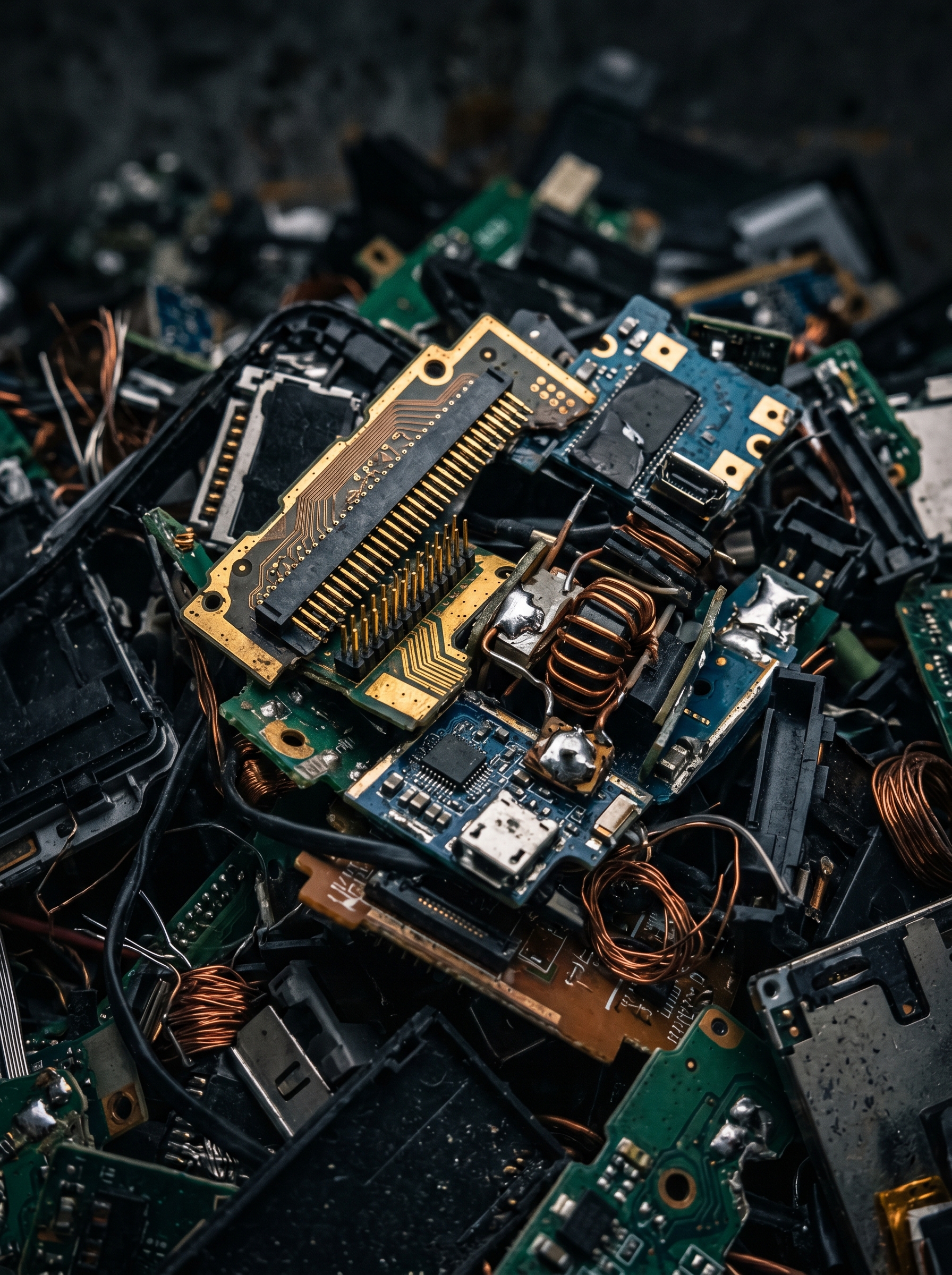
A tonne of smartphone circuit boards contains 300 times more gold than a tonne of gold ore. E-waste is the highest-value waste stream per kilogram of any material category — and it is the fastest-growing waste stream globally, projected to reach 74 million tonnes annually by 2030. Less than 20% is currently formally recycled. The rest is either informally processed in developing countries under dangerous conditions or buried in landfill — destroying both human health and billions of dollars of material value simultaneously. The rare earth elements embedded in electronics — neodymium, dysprosium, terbium — are critical to EV motors, wind turbines, and defence systems. The geopolitical risk of rare earth dependence is now a national security issue in most major economies. Urban mining is the solution. The infrastructure is the business.
The Construction Waste Recovery Industry — Every Demolished Building Is the Next One
Concrete aggregate · reclaimed steel · brick · timber · insulation material · glass
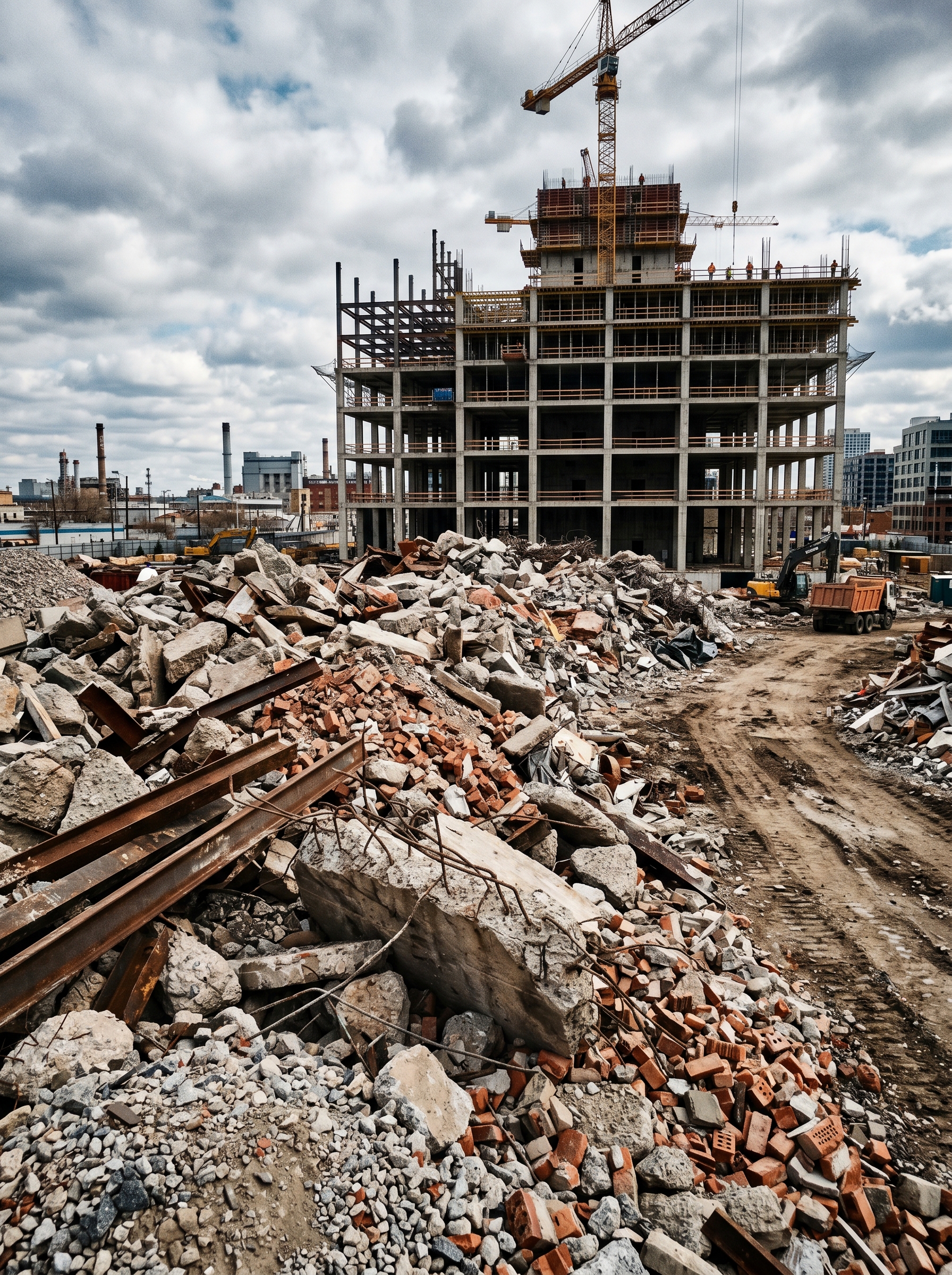
Construction and demolition waste constitutes approximately 40% of total global solid waste by weight. Concrete — the world's most used construction material — is almost entirely landfilled after demolition, despite being almost entirely recyclable into new aggregate for new concrete. Reclaimed structural steel has 75% lower carbon footprint than virgin steel and identical structural properties. Reclaimed timber commands premium prices in architectural and furniture applications. The construction industry is simultaneously the world's largest waste generator and the world's largest consumer of virgin raw materials — buying expensive new material while paying to dispose of identical old material because the logistics and certification systems to connect the two do not yet exist at scale.
"Waste is simply a resource in the wrong place at the wrong time, processed by the wrong business model. The circular economy is not an environmental movement. It is the most significant economic opportunity of the next fifty years."
— Ellen MacArthur · Founder · Ellen MacArthur Foundation · Pioneer of Circular Economy Theory
Industrial Wastewater Recovery — The Most Valuable Liquid Being Discarded
Industrial process water · agricultural runoff · nutrient recovery · rare mineral extraction from brine
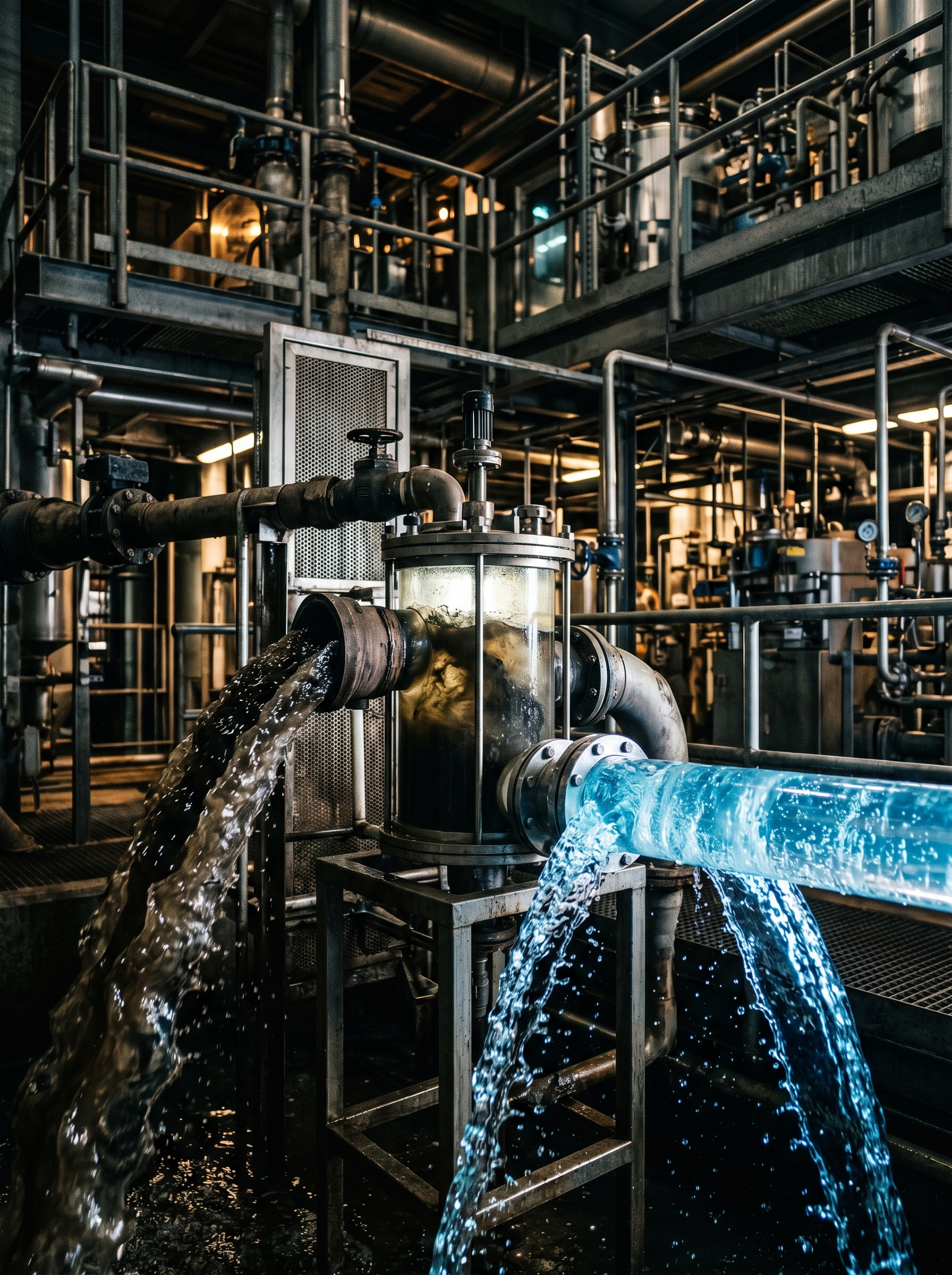
Industrial wastewater — the water used in manufacturing, mining, food processing, and chemical production — contains dissolved minerals, nutrients, metals, and compounds at concentrations that make direct extraction economically viable. Lithium — the critical mineral for EV batteries — is present in geothermal brines, oil field wastewater, and desalination concentrate at concentrations that are increasingly competitive with hard-rock mining. Phosphorus — a critical agricultural nutrient with no substitute — can be recovered from wastewater at scale using existing struvite precipitation technology. The water treatment industry currently treats these dissolved materials as a disposal problem. The extractive mining industry treats similar concentrations as an ore body. The business is applying mining logic to water treatment.
The Carbon Capture Utilisation Industry — Selling What Everyone Else Is Paying to Eliminate
Direct air capture · point-source industrial CO₂ · carbon mineralisation · synthetic fuel feedstock
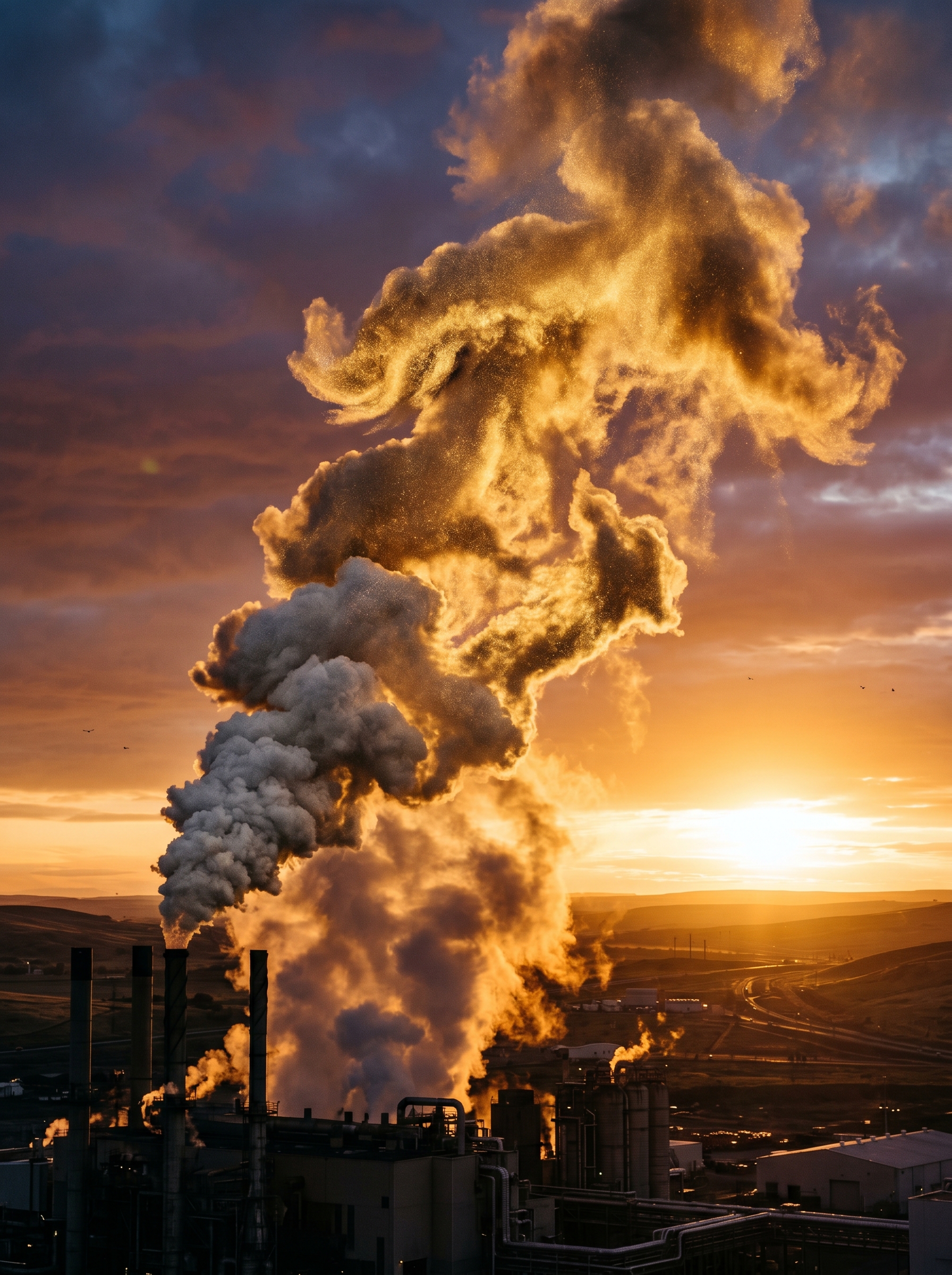
Carbon dioxide — currently treated as the defining pollution problem of the industrial era — is simultaneously a raw material for concrete production (mineralisation), synthetic fuel production (e-fuels), food and beverage carbonation, chemical feedstocks, and enhanced oil recovery. The carbon credit market has established that CO₂ has quantifiable monetary value when it is not in the atmosphere — creating a financial model in which capturing and storing or using carbon generates revenue. Climeworks, Carbon Engineering, and a dozen well-capitalised startups are building direct air capture infrastructure. The companies building the utilisation infrastructure — what to do with the captured carbon — are significantly fewer and the opportunity is proportionally larger. Every tonne of carbon dioxide converted into a saleable product is a tonne that generates double revenue: the avoided emission credit and the product sale.
The Biogas and Bioenergy Infrastructure — Turning Human Waste Into Grid Power
Municipal organic waste · sewage sludge · manure · food processing residue · landfill gas
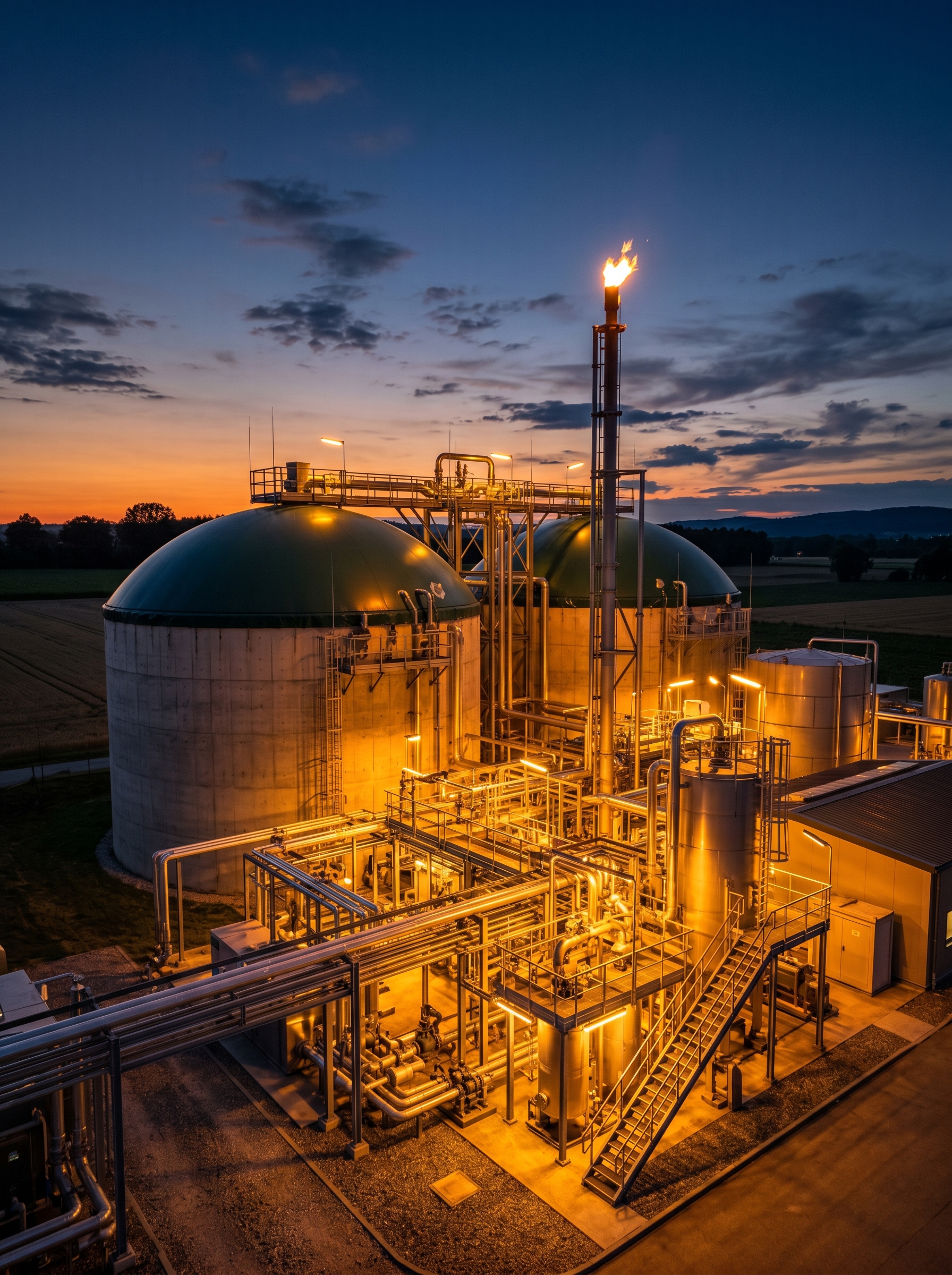
Anaerobic digestion — the biological process by which organic matter produces methane gas — is one of the most commercially mature waste-to-energy technologies available. Yet the infrastructure to deploy it at the scale of available organic waste feedstock is less than 10% built globally. Municipal sewage systems produce biogas as a byproduct of sewage treatment and most of it is currently flared — burned off as waste — because the capture and grid-injection infrastructure does not exist. Landfills produce methane continuously and most of it escapes into the atmosphere. Every cubic metre of methane released from a landfill or flared from a sewage plant is revenue that no business is collecting, from a feedstock that requires zero procurement cost. The waste is free. The energy market is enormous. The infrastructure gap is the business.
Industrial Byproduct Exchange — One Factory's Waste Is Another Factory's Feedstock
Slag · fly ash · sulphuric acid · waste heat · process gases · chemical intermediates
Industrial symbiosis — the systematic exchange of waste and byproduct streams between industrial facilities — is one of the most economically efficient models in the circular economy. The Kalundborg industrial park in Denmark has operated an industrial symbiosis system since the 1970s in which the waste heat, steam, fly ash, and sulphuric acid from one industrial facility become the inputs for five others. This reduces waste disposal costs, reduces raw material procurement costs, and generates value from material that would otherwise cost money to destroy. The digital infrastructure to identify, certify, and facilitate these exchanges at global scale does not yet exist in sophisticated form. The platform that maps industrial waste streams and connects them to industrial demand — with certification, logistics, and financial settlement — is an infrastructure business with network effects and regulatory tailwind.
The End-of-Life Battery Economy — The Coming Wave Nobody Is Ready For
EV battery packs · consumer electronics batteries · grid storage degraded cells · rare earth recovery
The first generation of large-scale EV deployment began in 2015-2018. EV battery packs have a useful vehicle life of 8-12 years. The first wave of end-of-life EV batteries will arrive between 2023 and 2030 — and the infrastructure to process them does not yet exist at anything approaching the required scale. An EV battery pack that has degraded below 80% useful capacity for vehicle use still has 60-70% useful capacity for stationary grid storage — representing significant second-life value. After second-life deployment, the materials — lithium, cobalt, nickel, manganese — are worth recovering at commodity prices that make the economics of recycling strongly positive. The battery recycling industry that needs to exist by 2030 is currently about 2% built. The capital going into EVs is being deployed without proportional capital going into the end-of-life infrastructure that will be required to manage them.
The Wealth Is
Already There.
It Just Looks Like Garbage.
Every industry above is built on the same insight: value is not intrinsic to material — it is assigned by perception and unlocked by process. The material was always there. The business is built the moment someone decides to treat it as a resource rather than a problem. The ten industries above are not speculative. They are operational at small scale, proven in specific markets, and waiting for the capital and the founder with the clarity to see $4.5 trillion of annual value and build the machine that captures it.
Human Writing · 100% Verified · Business Research · hezhinx · 2026 ✦